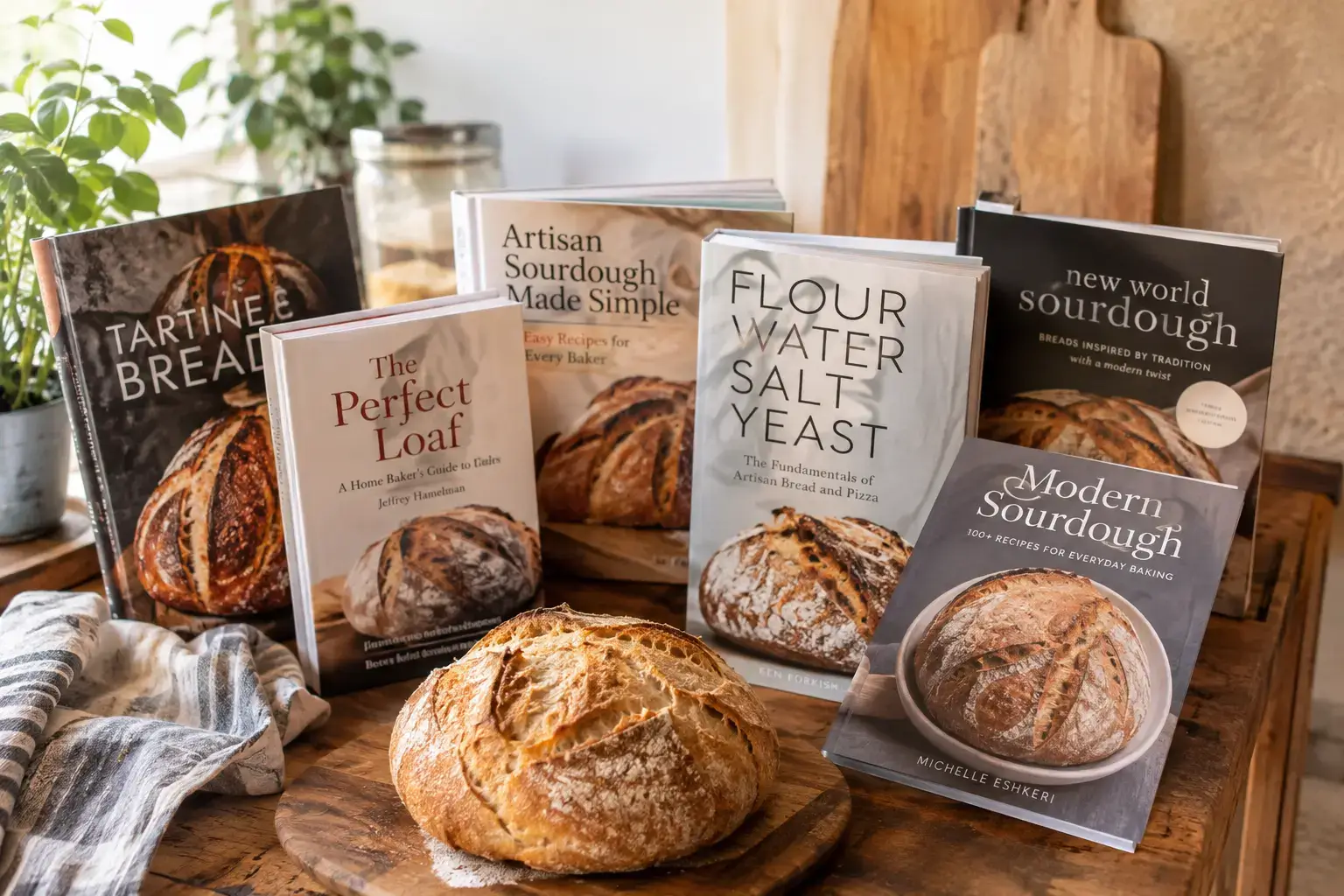
A good sourdough cookbook does more than give you a formula for flour, water, salt, and starter. It helps you understand fermentation, recognize when dough is ready, shape a loaf with confidence, and adapt recipes to the flour, temperature, and schedule in your own kitchen.
That matters because sourdough is not as predictable as conventional yeast bread: the same dough can move at a different pace from one kitchen to another.
The best sourdough cookbook depends on what you want to learn. Some books are designed to get a beginner through a first loaf without overwhelming them. Others are more technical, with detailed baker’s percentages, fermentation guidance, and advanced formulas.
A few are especially useful if you want to bake beyond a classic country loaf, using sourdough starter in pizza, focaccia, rolls, sweets, and discard recipes.
For this guide, I focused on established books with identifiable authors and publishers, a clear sourdough purpose, and a distinct reason to recommend them. The goal is not to pretend every book is right for every baker. It is to help you choose one that matches your experience and the kind of bread you actually want to make.
The Best Sourdough Cookbooks at a Glance


Best Sourdough Cookbooks: Comparison
| Main focus | Best for | Style | Sourdough-only | ||
|---|---|---|---|---|---|

The Perfect Loaf
Best Overall
|
Complete sourdough guide | All levels | Detailed and methodical | Yes | View on Amazon |
Artisan Sourdough Made Simple
Best for Beginners
|
Beginner method | New bakers | Approachable | Yes | View on Amazon |

Bread Book
Best for Grain and Fermentation
|
Grain and fermentation | Developing bakers | Technical and exploratory | Sourdough-focused | View on Amazon |

Tartine Bread
Best Classic Artisan Bread
|
Artisan country loaf | Experienced home bakers | Visual and hands-on | Yes | View on Amazon |

Flour Water Salt Yeast
Best Bread Fundamentals
|
Bread fundamentals | Learning technique | Principle-led | No | View on Amazon |
Creative, Everyday, and Specialist Sourdough Books
| Main focus | Best for | Style | Beyond loaves | ||
|---|---|---|---|---|---|
New World Sourdough
Best Creative Recipes
|
Creative global breads | Recipe variety | Creative | Yes | View on Amazon |

Sourdough
Best Rustic and Seasonal Baking
|
Rustic and seasonal recipes | Exploratory baking | Ingredient-led | Yes | View on Amazon |

The Sourdough School
Best Fermentation Focus
|
Fermentation science | Fermentation enthusiasts | Specialist | Limited | View on Amazon |

Sourdough Every Day
Best for Discard Recipes
|
Active starter and discard | Everyday baking | Practical and varied | Yes | View on Amazon |

The Sourdough Whisperer
Best Practical Guide
|
Practical troubleshooting | Home bakers | Accessible | Yes | View on Amazon |
More Sourdough Books: New, Practical, and Creative Picks
| Main focus | Best for | Standout feature | Style | ||
|---|---|---|---|---|---|

Super Sourdough
Best Practical Artisan Guide
|
Practical technique and troubleshooting | Technique | Troubleshooting | Practical | View on Amazon |

Everything Sourdough
Best Everyday Sourdough Collection
|
Everyday recipe collection | Everyday recipes | Full-colour photos | Recipe-led | View on Amazon |

Sourdough Everything
Best for Creative Recipe Variety
|
Creative breads and sweet bakes | Recipe variety | 70+ recipes | Creative | View on Amazon |

Modern Sourdough
Best Modern Sourdough Book
|
Modern sweet and savoury baking | Bakery-style projects | 100+ recipes | Modern bakery | View on Amazon |

The Ultimate Guide to Sourdough
Best New Sourdough Book for 2026
|
Current comprehensive guide | 2026 reference | Step-by-step photos | Comprehensive | View on Amazon |
How We Chose These Sourdough Cookbooks
This is an editorial selection, not a claim that we personally baked every recipe in every book. I prioritized books with a clear author and publisher, a meaningful sourdough focus, and a useful approach for a particular type of home baker.
I also considered whether a book teaches a repeatable method, explains why steps matter, offers enough recipe variety to justify its place on the shelf, and uses photographs or diagrams where they help explain technique.
Established titles such as The Perfect Loaf, Tartine Bread, Bread Book, and The Sourdough School have identifiable authors and publisher information.
The Perfect Loaf won the 2023 James Beard Foundation Book Award for Bread and the 2023 IACP Cookbook Award; Bread Book expands Chad Robertson’s approach with Jennifer Latham and covers grain, flour, starter, levain, and naturally leavened doughs.
These credentials do not automatically make a book the right choice for a beginner, but they help distinguish a substantial reference from a generic recipe collection.
Best Sourdough Cookbooks: Our Reviews
1. Best Overall Sourdough Cookbook – The Perfect Loaf by Maurizio Leo
01
By Maurizio Leo · Best for: All-around sourdough reference
A detailed, methodical guide to starter care, fermentation, naturally leavened breads, sweets, and more.
Best for: Home bakers who want one detailed sourdough reference that can grow with their skills.
Why it stands out: The Perfect Loaf is the most complete all-round choice in this guide. Maurizio Leo brings a methodical, measurement-led approach to sourdough, explaining not only what to do but why a step matters.
That makes the book useful when a dough behaves differently from the recipe timeline or when you want to make adjustments rather than follow instructions blindly.
The book covers the fundamentals of starter care and fermentation, then moves into a wide range of naturally leavened breads and other bakes. Its scope goes beyond a single country loaf, with recipes and techniques for enriched breads, sweets, and other uses for sourdough.
It is a substantial book, so readers looking for a very short, uncomplicated introduction may find it more detailed than necessary. For someone who expects to keep baking and wants a reference to return to, that depth is the point.
What to know before buying: This is not simply a quick recipe booklet. Expect explanations, formulas, and a learning curve. It is a particularly good fit if you like understanding baker’s percentages, fermentation variables, and the reasoning behind a method.
One reason it works well as an all-round reference is that it helps connect the stages of baking. Starter activity, dough strength, fermentation, and shaping are not treated as unrelated tasks; understanding how they influence one another makes it easier to diagnose a loaf that is spreading, under-proofed, or coming out denser than expected. That kind of explanation is useful when you begin adapting recipes to your own flour, room temperature, and baking schedule.
Its breadth is unusually useful: the book moves from foundational loaves into pan breads, rye, naturally leavened brioche, pizza, focaccia, rolls, bagels, and even sweets such as cinnamon rolls and babka. That range means you can keep using it after you have mastered a basic country loaf. Buy it if you want one substantial reference for both technique and variety; if you only want a short beginner recipe collection, its 432-page format may be more than you need.
- Detailed explanations of fermentation and dough development
- Broad range of sourdough breads and other bakes
- Useful as skills progress
- More detailed than a quick beginner guide
- Requires time to work through the methods
A detailed, methodical guide to starter care, fermentation, naturally leavened breads, sweets, and more. It is the book I would choose if buying only one comprehensive sourdough reference.
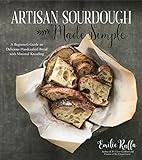
2. Best Sourdough Cookbook for Beginners – Artisan Sourdough Made Simple by Emilie Raffa
02
By Emilie Raffa · Best for: First-time sourdough bakers
An approachable introduction for readers who want clear guidance and a less intimidating first loaf.
Best for: First-time sourdough bakers who want approachable instructions and a less intimidating route to their first homemade loaf.
Why it stands out: If you are searching for the best sourdough book for beginners, Artisan Sourdough Made Simple is built around making sourdough feel manageable.
Emilie Raffa’s approach is more welcoming than a highly technical artisan-bread manual, making it a sensible starting point for readers who are still learning how to maintain a starter, mix dough, and understand the basic stages of fermentation.
The book is especially appealing if you want a practical home-baking introduction rather than a deep dive into bread science. Its recipes extend beyond one basic loaf, so it can remain useful after you have learned the fundamentals.
The trade-off is that experienced bakers chasing very technical formulas or advanced fermentation experiments may want a more detailed reference alongside it.
What to know before buying: Choose this book if clarity and confidence matter more to you than advanced theory. It is a more approachable first purchase than jumping straight into a demanding artisan method.
For a first sourdough project, the biggest advantage is having the process broken into manageable decisions instead of feeling that you need specialist equipment or professional bakery experience. You can build confidence with the starter and basic loaf before exploring the wider recipe collection. It is still worth reading the method from beginning to end before baking, since fermentation depends on dough condition as well as the clock.
The appeal here is the approachable route into sourdough rather than an exhaustive technical treatment. It is a sensible first purchase if you want a guided introduction and recipes that help you get comfortable maintaining a starter and baking at home. Compared with The Perfect Loaf, it is the less intimidating starting point; choose Leo’s book instead if you already know you want a deeper reference on dough variables, troubleshooting, and a much wider range of techniques.
- Approachable, beginner-focused teaching
- Designed to make the first loaves less intimidating
- Offers more than one basic loaf
- Less technical depth than advanced references
- Experienced bakers may want more challenging formulas
An approachable introduction for readers who want clear guidance and a less intimidating first loaf. It is the better first purchase if you are just starting out.
3. Best Sourdough Book for Modern Grain and Fermentation Techniques – Bread Book by Chad Robertson and Jennifer Latham
03
By Chad Robertson and Jennifer Latham · Best for: Flour, grain, and dough development
Explores grain, flour, starter, levain, naturally leavened breads, and broader fermentation techniques.
Best for: Bakers who want to explore grain, flour, fermentation, and naturally leavened dough beyond the basic country loaf.
Why it stands out: Bread Book takes the Tartine approach into a more contemporary discussion of grain and fermentation.
Chad Robertson and Jennifer Latham explain how flour and grain choices affect dough, and the book includes naturally leavened formulas for country bread, baguettes, flatbreads, rolls, pizza, and other bakes.
It also addresses starter, leaven, and discard, making it more than a collection of finished-loaf recipes.
This is a strong option for bakers who already have some familiarity with sourdough and want to understand ingredients and process in more depth. The book is not the simplest starting point if you have never made a starter or handled fermented dough.
Its value is in the added context and breadth, especially for readers interested in whole grains and the relationship between flour and fermentation.
What to know before buying: It is a thoughtful next step for a baker who has already made a few loaves and wants to become more deliberate about grain, dough development, and fermentation.
This book is particularly interesting if you have started paying attention to the flour you use. Different grains and milling styles can change how much water a dough absorbs and how it handles, so the wider ingredient discussion gives you more context than a recipe that simply lists flour and water. It is a strong choice for curious bakers, although readers who mainly need a simple first-loaf walkthrough may find its broader scope less direct.
One of the clearest reasons to choose this title is its focus on the ingredients behind the loaf. Its sixteen naturally leavened dough formulas include country bread, baguettes, flatbreads, rolls, pizza, and vegan and gluten-free loaves; it also explores tortillas, crackers, and fermented pasta made with discard. That makes it a particularly interesting choice if you want to experiment with different grains and use starter beyond a standard boule. Choose Tartine Bread for the classic country-loaf method; choose Bread Book when grain, flour, and formula variation are the bigger attraction.
- Strong focus on grain and flour
- Covers starter, levain, and fermentation
- Includes a wide range of naturally leavened doughs
- Not the simplest first book
- More process-focused than a quick recipe collection
Explores grain, flour, starter, levain, naturally leavened breads, and broader fermentation techniques. Its value depends on whether its particular focus matches the way you want to bake.
4. Best Artisan Sourdough Book for Classic Country Loaves – Tartine Bread by Chad Robertson
04
By Chad Robertson · Best for: Classic country loaves and open crumb
A visually rich classic built around the Tartine country loaf method and artisan bread technique.
Best for: Bakers who want to work toward a classic artisan country loaf with an open crumb and deeply developed crust.
Why it stands out: Tartine Bread is one of the defining modern artisan-bread books. It presents Chad Robertson’s approach to naturally leavened country bread and uses extensive photography to show the process. The book is as much about learning a style and developing a feel for dough as it is about following a fixed recipe.
That visual approach is a real strength, particularly when you want to see how dough changes through mixing, folding, shaping, and baking. However, the method asks for patience and attention.
Fermentation is influenced by starter strength, dough temperature, flour, and the conditions in your kitchen, so a reader who expects a rigid timetable may find the process challenging at first.
The real value of Tartine Bread is the way it teaches you to observe dough rather than rely only on fixed timings. The photographs help make the stages easier to recognize, while the method encourages patience through fermentation and shaping.
That approach can be rewarding, but it also means your first attempts may need adjustment for your starter, flour, and kitchen temperature. Treat it as a technique to practise, not a guaranteed same-day formula.
What to know before buying: Tartine Bread is an excellent choice for the baker who is motivated by the classic bakery-style loaf. If you are completely new, consider learning the basics with a more beginner-friendly book first.
This is the book to choose when the classic Tartine country loaf is the goal. The method is supported by extensive step-by-step photography, and the book also includes ideas for using day-old bread in dishes such as sandwiches, soups, puddings, and French toast. Its visual guidance is valuable, but the approach asks you to pay attention to dough development and fermentation rather than follow a quick timetable. Buy it for the craft of a traditional artisan loaf; beginners who want a more forgiving first introduction may be happier starting with Artisan Sourdough Made Simple.
- Classic country loaf method
- Extensive process photography
- A highly influential artisan bread reference
- Can be demanding for beginners
- Less suited to readers who need rigid, beginner-friendly timelines
A visually rich classic built around the Tartine country loaf method and artisan bread technique. Its value depends on whether its particular focus matches the way you want to bake.
5. Best Cookbook for Understanding Bread Fundamentals – Flour Water Salt Yeast by Ken Forkish
05
By Ken Forkish · Best for: Understanding dough and fermentation
A broader artisan bread book with useful lessons on dough temperature, timing, fermentation, and levain.
Best for: Bakers who want to understand dough development, fermentation, timing, and the principles behind artisan bread.
Why it stands out: Flour Water Salt Yeast is broader than a sourdough-only cookbook, but it earns a place here because its explanations of bread-making fundamentals are valuable to anyone working with levain.
Ken Forkish focuses on the relationship between ingredients, dough temperature, fermentation, and timing. Those lessons help readers understand why a dough behaves as it does instead of treating every recipe as a disconnected set of steps.
The book includes both yeasted and naturally leavened breads, so it is not the best choice if you want every recipe to use sourdough starter. Its strength is the foundation it builds. A baker who understands fermentation and dough handling can apply those principles to many sourdough formulas, even when the exact recipe comes from another book.
What to know before buying: Buy this for bread-making knowledge, not for an exclusively sourdough recipe collection. It is a useful companion to a dedicated sourdough book.
Although it is not exclusively about sourdough, this book can make you a more capable bread baker overall. Learning to read dough, manage fermentation, and plan a baking schedule gives you skills that transfer to naturally leavened recipes. The wider bread coverage is useful if you bake different styles, but it does mean sourdough purists may want a dedicated starter-focused book alongside it for a larger collection of naturally leavened formulas.
The important distinction is that Forkish teaches a broader artisan-bread system, not a sourdough-only routine. The book moves through straight doughs, pre-ferments, and levain, then applies those principles to loaves as well as pizza and focaccia. This makes it useful if you want to understand how fermentation methods differ and how to plan bread around a home schedule. Choose it if you want transferable bread fundamentals; choose The Perfect Loaf if your priority is a book devoted specifically to sourdough and its wider recipe possibilities.
- Excellent explanations of bread fundamentals
- Useful discussion of dough temperature and fermentation
- Includes naturally leavened recipes
- Not exclusively sourdough
- Some recipes use commercial yeast
A broader artisan bread book with useful lessons on dough temperature, timing, fermentation, and levain. Its value depends on whether its particular focus matches the way you want to bake.
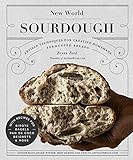
6. Best Creative Sourdough Cookbook – New World Sourdough by Bryan Ford
06
By Bryan Ford · Best for: Creative breads and global influences
Takes sourdough into breads and bakes such as birote, bagels, pan de coco, and beignets.
Best for: Bakers who want sourdough recipes that move beyond the familiar European-style country loaf.
Why it stands out: New World Sourdough brings a broader range of baking influences to naturally fermented dough.
Bryan Ford explores breads and bakes such as birote, bagels, pan de coco, and beignets, giving the book a different personality from manuals focused almost entirely on one high-hydration boule.
It is a useful choice if you want to experiment with sourdough in a wider range of styles and flavors.
The book is especially appealing to curious home bakers who enjoy trying recipes with different cultural influences. It is less of a narrowly focused technical textbook than some of the other titles here, so readers whose main goal is mastering one precise country-loaf method may prefer The Perfect Loaf or Tartine Bread.
What to know before buying: Choose it for variety and creative inspiration. It is a good way to expand what you make with a starter once you are comfortable with the basics.
The appeal here is not just unusual recipes; it is the invitation to think more broadly about what sourdough can become. The range gives you ideas for using a mature starter in breads and bakes with different textures and traditions, which can make regular starter maintenance feel more worthwhile. If you are still learning basic fermentation, start with a straightforward loaf first, then use this book to expand your repertoire once the process feels familiar.
The publisher’s examples make the book’s personality clear: alongside basic breads, it includes pan de coco, pretzel buns, challah, focaccia, pizza dough, Cuban muffins, pita, flour tortillas, and queen cake. The emphasis is on creative, approachable baking rather than obsessing over a single ideal crumb or tightly controlled schedule. Buy it if you want a broader, culturally varied repertoire and enjoy trying unfamiliar styles; if your main goal is mastering one classic high-hydration country loaf, Tartine Bread is more directly focused.
- Distinctive range of creative sourdough recipes
- Moves beyond the standard country loaf
- Good source of inspiration once the basics are familiar
- Less focused on one technical master method
- May not be the first choice for highly structured beginner teaching
Takes sourdough into breads and bakes such as birote, bagels, pan de coco, and beignets. Its value depends on whether its particular focus matches the way you want to bake.
7. Best Sourdough Cookbook for Seasonal and Rustic Baking – Sourdough by Sarah Owens
07
By Sarah Owens · Best for: Seasonal, sweet, and savory baking
A creative collection of rustic fermented breads, sweets, and savory recipes.
Best for: Bakers interested in rustic breads, seasonal ingredients, and sourdough recipes that extend into sweets and savory dishes.
Why it stands out: Sarah Owens approaches sourdough as a broad style of cooking and baking rather than limiting it to a daily sandwich loaf. The book combines naturally fermented breads with sweet and savory recipes, giving it a more ingredient-driven and exploratory feel.
It is a good match for readers who enjoy baking as part of a wider kitchen routine and want to use their starter in more than one way.
This is not necessarily the most direct book for someone who wants a simple, step-by-step first loaf. Its appeal is the range of ideas and the more creative approach to sourdough. If you are mainly looking for tightly structured beginner lessons, a more introductory title may be a better first purchase.
What to know before buying: Pick this book if you want inspiration and variety, especially if you enjoy baking with seasonal ingredients and experimenting beyond basic bread.
This is a good fit for bakers who enjoy a more ingredient-led approach and want inspiration beyond a standard white loaf. The mix of bread and other recipes makes the book feel like a broader kitchen resource, particularly if seasonal produce and savory baking are part of your routine. Its creative scope is also the reason it may not be the clearest first lesson in sourdough fundamentals; pair it with a step-by-step beginner guide if you need more structured instruction.
Sarah Owens takes a wider view of sourdough, connecting bread with seasonal ingredients and other baked goods rather than treating the starter as something used only for loaves. The book is also visually led, with photography that supports its ingredient-focused, exploratory feel. It is a stronger match for readers who enjoy adapting their baking to what is in season than for someone who wants the shortest possible route to a first loaf. Choose it for inspiration and a broader baking outlook; choose Artisan Sourdough Made Simple for a more direct beginner pathway.
- Creative mix of rustic breads, sweets, and savory recipes
- Encourages broader use of a sourdough starter
- Distinctive ingredient-led approach
- Not the most direct beginner manual
- Less focused on one repeatable master loaf
A creative collection of rustic fermented breads, sweets, and savory recipes. Its value depends on whether its particular focus matches the way you want to bake.
8. Best Sourdough Cookbook for Fermentation Science – The Sourdough School by Vanessa Kimbell
08
By Vanessa Kimbell · Best for: Fermentation and flour exploration
A specialist guide focused on sourdough fermentation, flour, and the science behind the process.
Best for: Bakers who want to explore fermentation in greater depth, including flour choice, long fermentation, and the science behind sourdough.
Why it stands out: The Sourdough School takes a more research-led approach to sourdough, with an emphasis on the relationship between ingredients, fermentation, and the finished bread. Vanessa Kimbell’s work is particularly relevant to readers who want to think carefully about flour, fermentation time, and the processes that shape a loaf.
This is a specialist choice rather than the easiest book for a casual beginner. It is most useful when you are interested in the reasoning behind sourdough methods and want to read beyond a straightforward list of recipes.
Claims about nutrition and health should be read carefully: a cookbook can explain its approach, but individual health outcomes depend on many factors and should not be assumed from a recipe alone.
What to know before buying: Choose it for its fermentation-focused perspective, not as a quick, no-theory beginner recipe book.
The specialist focus makes this title most rewarding when you want to understand the process in more depth, rather than simply collect another set of loaf recipes. It encourages you to think about how flour, fermentation, and time contribute to the finished bread. That perspective can help experienced home bakers make more informed adjustments, but it is important to separate the book’s discussion of fermentation and nutrition from any promise of a particular health benefit.
The book’s structure helps explain why it suits readers who want to study the process: it moves through what sourdough is, ingredients, building the foundation of a loaf, scheduling, step-by-step technique, formulas, equipment, and resources. That makes it more of a course-like reference than a casual collection of recipes. Buy it if you want to spend time understanding fermentation and the reasoning behind a loaf; if you mainly want lots of everyday recipes or a quick beginner win, a more recipe-led book will be easier to dip into.
- Specialist focus on fermentation and flour
- Useful for readers interested in the science behind sourdough
- Offers a different perspective from recipe-only books
- More specialized than a casual recipe book
- Not the easiest entry point for a complete beginner
A specialist guide focused on sourdough fermentation, flour, and the science behind the process. Its value depends on whether its particular focus matches the way you want to bake.
9. Best Sourdough Cookbook for Discard and Everyday Baking – Sourdough Every Day by Hannah Dela Cruz
09
By Hannah Dela Cruz · Best for: Everyday baking with active starter and discard
Expands sourdough beyond bread with rolls, pasta, sweets, and practical discard uses.
Best for: Home bakers who want to use both active starter and sourdough discard in a wider range of everyday recipes.
Why it stands out: Sourdough Every Day is aimed at making a starter useful beyond the weekly loaf. Its focus includes artisan bread, rolls, pasta, sweets, and other ways to use active starter and discard. That variety can be practical if you maintain a starter regularly and do not want every bake to be another large country loaf.
The book is a good fit for readers who enjoy trying different recipes and want to reduce the amount of starter they throw away. It is not necessarily the most technical resource for mastering fermentation or advanced loaf shaping, so serious bread students may want to pair it with a more methodical reference.
What to know before buying: This is the pick for recipe variety and everyday use, especially if you are interested in discard recipes as well as bread.
Discard-focused baking is especially practical when you maintain a starter regularly: instead of treating every feeding as a source of waste, you have more ways to use the portion you remove. The broader recipe mix also helps make sourdough part of weekday cooking, not just a weekend bread project. If your priority is improving open crumb structure or mastering advanced shaping, however, you may still want a second book devoted more closely to artisan loaf technique.
This title earns its place because it treats discard as an ingredient rather than an unavoidable by-product. Its recipe range includes traditional loaves alongside pasta, rolls, sweet breads, pretzels, crackers, and desserts; examples include roasted garlic and rosemary sourdough, flaky discard biscuits, apple-cinnamon rolls, and brownies. With 60 recipes and photographs, it is particularly practical for people who feed a starter regularly and want ideas for using the excess. Choose it for active-starter and discard variety, not as the most technical guide to artisan fermentation.
- Uses both active starter and discard
- Includes recipes beyond basic bread
- Practical for regular starter maintenance
- Less technical than a dedicated artisan bread reference
- Not primarily an advanced fermentation textbook
Expands sourdough beyond bread with rolls, pasta, sweets, and practical discard uses. Its value depends on whether its particular focus matches the way you want to bake.
10. Best Straightforward Sourdough Recipe Collection – The Sourdough Whisperer by Elaine Boddy
10
By Elaine Boddy · Best for: Troubleshooting and approachable recipes
A practical handbook with starter and dough guidance, troubleshooting, schedules, and versatile recipes.
Best for: Home bakers who want practical sourdough recipes and a reassuring, accessible style.
Why it stands out: The Sourdough Whisperer is positioned around making sourdough baking feel less intimidating and more repeatable. It offers a practical route into a range of breads and related bakes, with an emphasis on clear guidance rather than treating every loaf as an advanced artisan project.
It is worth considering if you prefer an approachable recipe-led book and want alternatives to the more technical style of The Perfect Loaf or Tartine Bread. As with any cookbook, check the contents and preview pages if possible to make sure the level of detail and recipe style match the way you like to learn.
What to know before buying: It is a practical option for readers who want an accessible book to bake from, although it would not be my first choice for deep technical study.
The strength of a practical recipe-led book is that it gives you something useful to bake without turning every session into a technical study. That can be exactly what a home baker wants when building a regular routine. Before choosing it as your main reference, look through the contents and sample pages to see how thoroughly it explains starter care, timing, and troubleshooting; those details matter more when you are learning to work independently.
Elaine Boddy’s appeal in this lineup is the practical, home-baker perspective: this is the kind of title to consider when you want an approachable guide you can return to while making regular loaves, rather than a specialist text on grain science. It makes most sense for readers who value straightforward instruction and confidence-building over an especially deep technical discussion. Before choosing it, compare the recipe range and format in the product listing with what you need; if you want detailed fermentation theory, The Sourdough School or The Perfect Loaf is a stronger match.
- Practical starter and dough troubleshooting
- Includes adaptable master recipes
- Clear, encouraging style with process photographs
- Less technical depth than specialist fermentation texts
- Not designed as a comprehensive grain-science reference
A practical handbook with starter and dough guidance, troubleshooting, schedules, and versatile recipes. Its value depends on whether its particular focus matches the way you want to bake.
11. Best Super Sourdough Book for Practical Artisan Techniques – Super Sourdough by James Morton
11
By James Morton · Best for: Bakers who want practical technique and troubleshooting
A practical guide to starter care, flour, hydration, shaping, baking, and troubleshooting.
Best for: Bakers who want a practical, clearly explained guide to sourdough technique and troubleshooting.
Why it stands out: Super Sourdough is a useful choice for readers who want to understand the moving parts behind a good loaf.
James Morton covers starter maintenance, flour, hydration, kneading, shaping, rising, scoring, and baking, with more than 40 recipes ranging from basic loaves and rolls to baguettes, bagels, and buns.
The book also explains why particular steps matter, rather than treating sourdough as a recipe you simply follow by the clock.
One of its strengths is its practical, approachable tone. It is aimed at both newer and more experienced home bakers, and its troubleshooting guidance is especially useful when a loaf does not behave as expected.
It is not the newest edition of Morton’s sourdough teaching: his 2026 book, The Ultimate Guide to Sourdough, is a separate newer release with an expanded 304-page format.
What to know before buying: Choose this edition if you specifically want Super Sourdough and its compact, practical approach. If you want Morton’s latest 2026 reference, compare it with The Ultimate Guide to Sourdough below.
Morton’s practical explanations make this a useful bridge between a beginner introduction and more demanding artisan-bread references. Rather than focusing only on the finished loaf, it gives attention to the steps that determine whether dough is manageable and fermentation is on track. That makes it helpful to revisit as your technique improves. If you are comparing it with his newer guide, consider whether you want this established format or the expanded newer reference.
Morton’s guide is quite specific about the stages that often cause trouble: starter care, flour choice, hydration, kneading, shaping, rising, scoring, and baking. It includes more than 40 recipes spanning loaves, rolls, baguettes, bagels, and buns, with troubleshooting and explanations of why techniques work. That makes it a practical handbook for someone who wants both recipes and help diagnosing a disappointing loaf. Choose Super Sourdough if you want Morton’s established, accessible guide; consider his newer The Ultimate Guide to Sourdough if step-by-step photography and a more recent edition are your priorities.
- Explains starter care, hydration, shaping, and baking
- Includes more than 40 sourdough recipes
- Practical troubleshooting and technique guidance
- More focused on bread than broad sweet and savory baking
- A previous title from the author, rather than his newest 2026 release
A practical, technique-led sourdough book with useful troubleshooting guidance.
12. Best Everything Sourdough Cookbook for Everyday Baking – Everything Sourdough by Charlene Yoder
12
By Charlene Yoder · Best for: Home bakers looking for an accessible recipe collection
A photo-rich collection of everyday sourdough recipes and simple methods.
Best for: Home bakers who want a broad, approachable collection of sourdough recipes with full-colour photography.
Why it stands out: Everything Sourdough by Charlene Yoder is a distinct book from Sourdough Everything by Rachel Pardoe. Yoder’s book is presented as an accessible collection built around simple methods and techniques, with full-colour photographs accompanying the recipes.
Its appeal is the range of everyday sourdough creations rather than a highly technical, artisan-bread curriculum.
This is a useful title to consider if you enjoy having a variety of ideas in one place and prefer a visual cookbook format. It is a different proposition from books such as The Perfect Loaf, which go much further into fermentation variables and the science of dough.
Check the edition and format before ordering, as this title is listed as a spiral-bound cookbook.
What to know before buying: It is best viewed as a recipe-led collection for everyday baking, not a replacement for a detailed fermentation reference.
For everyday bakers, an accessible recipe collection can be more useful than a highly technical book that rarely gets opened. The photographic presentation and range of recipes make this title worth considering if you prefer to choose a bake visually and try different ways of using starter. Because the title is distinct from Rachel Pardoe’s similarly named book, double-check the author on the product listing before ordering so you receive the intended edition.
This is best treated as a broad, accessible recipe collection rather than a technical sourdough textbook. Its value depends on whether the recipes, presentation, and format match the way you like to cook, so check the current listing carefully for the exact edition and binding before ordering. It is a reasonable option if you want variety and a cookbook-style resource for everyday baking; if you need detailed explanations of fermentation, hydration, and dough development, The Perfect Loaf or Super Sourdough is a safer choice.
- Full-colour recipe photography
- Simple methods aimed at making sourdough approachable
- A varied recipe-led format
- Less suited to readers seeking advanced fermentation theory
- Check the spiral-bound edition and listing details before purchase
A recipe-led, photo-rich choice for everyday sourdough ideas.
13. Best Sourdough Cookbook for Recipe Variety – Sourdough Everything by Rachel Pardoe
13
By Rachel Pardoe · Best for: Bakers who want sourdough recipes beyond standard loaves
More than 70 recipes spanning breads, rolls, sweet bakes, and pastries.
Best for: Bakers who want to use sourdough starter for more than traditional loaves.
Why it stands out: Sourdough Everything by Rachel Pardoe brings together more than 70 recipes, including breads, rolls, sweet breads, pastries, and other creative bakes.
It also covers creating and caring for a starter, baking techniques, and ways to approach more advanced recipes.
The book puts visual design and variety alongside the practical process, making it appealing to readers who want their starter to do more than produce a weekly country loaf.
It is a particularly relevant choice if you are interested in sourdough pretzels, sweet rolls, pastries, and decorative loaves. That broader scope makes it different from a book focused almost entirely on classic artisan bread.
Beginners can use the starter and technique guidance, while more experienced bakers may appreciate the extra ideas for using their starter in less familiar ways.
What to know before buying: Choose this book for creative range and presentation. If your main goal is mastering one classic country loaf, a more focused technical book may be a better first purchase.
The wide recipe range is the main reason to choose this book over a more traditional country-loaf manual. It gives you options for using starter in both sweet and savory baking, which is helpful if you want variety after learning the basic process. A larger collection does not automatically make a book the best technical teacher, though, so readers who need detailed fermentation troubleshooting should compare it with a more process-focused guide.
The specific recipes help show how far this book goes beyond standard loaves: the publisher highlights sourdough raisin bread, pumpkin chocolate rolls, French crullers, and sourdough pretzels among more than 70 recipes. It also teaches starter care, baking techniques, and decorative shaping with everyday tools. This is the more design-conscious, creative pick in the list, making it appealing if presentation and sweet bakes matter as much as the loaf itself. Choose it for visual variety and ambitious treats; choose Sourdough Every Day if using up discard is your main priority.
- More than 70 recipes
- Covers breads, rolls, sweet bakes, and pastries
- Includes starter care and baking technique guidance
- Less focused on deep fermentation science
- The creative and decorative side may not appeal to every traditional bread baker
A varied, creative cookbook for using sourdough in breads, treats, and pastries.
14. Best Modern Sourdough Book for Sweet and Savoury Baking – Modern Sourdough by Michelle Eshkeri
14
By Michelle Eshkeri · Best for: Bakers interested in modern bakery-style sourdough
More than 100 sweet and savoury recipes inspired by Margot Bakery.
Best for: Bakers who want modern sourdough recipes that extend into pastries, cakes, enriched doughs, and savoury bakes.
Why it stands out: Modern Sourdough by Michelle Eshkeri is inspired by the baking at Margot Bakery and includes more than 100 recipes.
Alongside bread, it explores sourdough pizza, focaccia, challah, French pastries, brioche, babka, cakes, buns, and other sweet and savoury recipes. It also includes a step-by-step guide to making a starter and explains folding, shaping, scoring, and baking.
This is one of the more distinctive choices in the guide because it treats sourdough as a baking style that can be used across a wide range of recipes, not just a method for making crusty loaves. It suits readers who enjoy bakery-style projects and want to experiment with both sweet and savoury doughs.
What to know before buying: It is broader than a traditional bread-only book. That is a strength if you want variety, but readers who only want to perfect a basic sourdough loaf may prefer a more focused guide.
Modern Sourdough is particularly appealing if you like the idea of using one starter across a bakery-style range of projects. The combination of foundational instructions and recipes such as enriched doughs, pastries, and cakes gives you room to explore different techniques without limiting every bake to a rustic loaf. Some of those recipes are more involved than a basic boule, so it is best suited to readers who enjoy trying new projects as their confidence grows.
Its bakery inspiration is reflected in the recipe range: more than 100 recipes cover traditional breads as well as sourdough pizza, focaccia, challah, French pastries, brioche, babka, cakes, and buns. The book also includes a starter guide and technique instruction for folding, shaping, scoring, and baking. That makes it a particularly good fit for someone who wants to use one starter across sweet and savoury projects. Buy it for bakery-style variety; if you want a book devoted mainly to mastering classic bread loaves, a more focused guide will be a better match.
- More than 100 sweet and savoury recipes
- Includes pastries, brioche, babka, pizza, and focaccia
- Covers starter preparation and core techniques
- Broader than a bread-only sourdough manual
- Some recipes are more ambitious than a basic first loaf
A strong modern choice for bakers who want sourdough pastries and sweet and savoury bakes.
15. Best New Sourdough Cookbook for 2026 – The Ultimate Guide to Sourdough by James Morton
15
By James Morton · Best for: Readers wanting a current, comprehensive 2026 guide
A 2026 guide with step-by-step technique photos and more than 50 recipes.
Best for: Bakers who want a new, comprehensive sourdough reference with step-by-step technique photographs.
Why it stands out: Published in October 2026, The Ultimate Guide to Sourdough is James Morton’s newest major sourdough guide.
The 304-page book covers starter creation, troubleshooting, ingredients, hydration, kneading, shaping, rising, and baking, with more than 50 recipes for loaves, rolls, baguettes, bagels, buns, and more.
Step-by-step photographs are included to help readers follow the core techniques.
It is a timely option for readers looking for a current all-round guide, especially if they like learning visually. It also gives Morton’s practical teaching a more substantial new format than his earlier Super Sourdough.
The two titles are related in subject and author, but they are separate editions and should not be confused when comparing listings.
What to know before buying: This is the newest release in this selection, so it has less long-term reader feedback than established titles. Its breadth and visual instruction make it one to consider if you are buying a sourdough reference in 2026.
The strongest practical selling point is the combination of a full fundamentals guide and visual instruction: the 304-page book covers starter creation, troubleshooting, ingredients, hydration, kneading, shaping, rising, and baking, alongside more than 50 recipes for loaves, rolls, baguettes, bagels, and buns. The step-by-step photographs should be especially helpful when learning techniques that are difficult to understand from text alone. Choose it if you want a current, visually guided all-round manual; choose Super Sourdough if you prefer Morton’s earlier handbook and do not need the newest edition.
- New 2026 release
- More than 50 recipes across breads and rolls
- Step-by-step photos for core techniques
- Newer title with less long-term reader feedback
- A substantial reference rather than a short quick-start booklet
The freshest all-round option in this guide, with broad coverage and step-by-step photographs.
How to Choose the Right Sourdough Cookbook
Before buying, think about the kind of help you need most. A beginner does not necessarily benefit from the most technical book on the shelf, and an experienced baker may quickly outgrow a book that only teaches one simple loaf. The right choice should fit your current skill level while giving you enough useful material to keep learning.
Because this is a new 2026 release, its strongest selling point is the promise of an updated, substantial teaching resource rather than a long track record of reader reviews. The step-by-step visual guidance should be useful when learning unfamiliar techniques, while the range of recipes gives readers reasons to return after mastering a basic loaf. If you are deciding between this and Super Sourdough, compare the contents and format as well as the publication date; newer does not automatically mean better for every baker.
Choose a book that matches your experience
If you have never made sourdough, look for a book that explains starter maintenance, mixing, folds, bulk fermentation, shaping, proofing, and baking in a clear sequence.
Beginner-friendly books should not assume you already know what a ripe starter looks like or how dough should feel. If you already bake regularly, a deeper reference with baker’s percentages, dough temperatures, and fermentation explanations may be more useful.
Look for troubleshooting, not just recipes
A good sourdough book should help when a loaf spreads, the crumb turns gummy, the dough feels weak, or fermentation takes longer than expected. Timelines are helpful, but they cannot account for every kitchen.
Clear explanations of temperature, starter activity, flour strength, and dough development are more valuable than promises that every loaf will be ready at the same hour.
Decide whether you want bread only or broader recipes
Some books focus on artisan loaves and the craft of fermentation. Others use sourdough starter in pizza, focaccia, crackers, pancakes, pasta, rolls, and sweets. If you bake bread every weekend, a focused technical book may be ideal. If you want to use discard and keep your starter active through the week, choose a book with more everyday recipes.
If you plan to use your starter for sourdough pizza as well as bread, a suitable transfer tool can make baking easier. See our guide to the best pizza peels for options for moving dough into and out of a hot oven.
Pay attention to photographs and layout
Photographs are particularly helpful for sourdough because they show dough consistency, shaping stages, scoring, and finished crumb. They cannot replace written explanations, but they make unfamiliar steps easier to understand. A book with clear process photographs can be especially useful for visual learners and beginners.
Check the edition and format
Cookbooks can have hardcover, paperback, and digital editions, and product listings sometimes mix these formats. If you want to bake directly from the book, consider whether the pages can stay open on the counter and whether the photographs are large enough to be useful.
Check the exact edition before ordering, particularly when a listing has multiple formats or an unusually low price.
For recipes that call for carefully measured or sifted flour, our roundup of the best flour sifters can help you choose a tool for your baking setup.
What Makes a Sourdough Cookbook Worth Buying?
The best book should make you a more capable baker, not simply give you a long list of recipes. A useful sourdough reference explains the relationship between starter activity, dough temperature, fermentation, flour, hydration, and shaping.
It should also be honest about the fact that sourdough is variable. A recipe can give you a target schedule, but the dough itself tells you when it is ready.
For a first book, clarity and a reliable beginner method matter most. For a long-term reference, look for detailed explanations and a range of formulas that help you troubleshoot and adapt. If you want to bake more than bread, choose a book that makes meaningful use of discard and includes other recipes you will actually cook.
Best Sourdough Book Reddit Discussions: What Home Bakers Recommend
There is no single sourdough book that every baker agrees is the best. In discussions on r/Sourdough, readers mention Super Sourdough for its photographs, recipes, and troubleshooting chapter, while others recommend The Sourdough Whisperer for its practical approach and usefulness in cooler kitchens. The same discussion also includes recommendations for The Sourdough School and Sourdough Everything.
Other threads show why recommendations depend on what someone wants to learn. In a book recommendation discussion, readers praise The Perfect Loaf for its detailed explanations, while New World Sourdough is recommended for creative recipes.
A more recent sourdough cookbook discussion highlights the contrast between the technical detail of The Perfect Loaf and the process-led approach of Tartine Bread.
These are individual community opinions, not a scientific ranking or proof that one book is objectively best. The useful takeaway is to match the book to your needs: choose a detailed reference if you want to understand fermentation, a beginner-friendly guide if you are learning your first loaf, and a creative recipe collection if you want to bake beyond traditional bread.
Frequently Asked Questions About Sourdough Cookbooks
Sourdough Cookbook FAQs
What is the best sourdough cookbook overall?
The Perfect Loaf by Maurizio Leo is the strongest all-around choice for readers who want a detailed reference covering sourdough fundamentals and more advanced baking. For a complete beginner, Artisan Sourdough Made Simple is a more approachable starting point.
What is the best sourdough book for beginners?
Artisan Sourdough Made Simple by Emilie Raffa is a strong beginner pick because it is designed to make homemade sourdough more approachable. Look for a book that explains starter care and each stage of the process clearly.
Is Tartine Bread good for beginners?
Tartine Bread is an influential and visually detailed artisan bread book, but its method can be demanding for someone who has never baked sourdough. It is often more rewarding after you have learned the basics.
Which sourdough cookbook is best for discard recipes?
Sourdough Every Day by Hannah Dela Cruz is a good option because it covers active starter and discard in recipes beyond basic bread. The Perfect Loaf and Bread Book also include broader sourdough applications.
Which sourdough cookbook has the best photos?
Tartine Bread is especially known for its extensive process photography. Preview interior pages before buying if photographs are important to you; a cover image alone does not show how clearly a method is illustrated.
Do I need more than one sourdough cookbook?
No. One well-chosen book is enough to learn the basics and bake consistently. Add another only when you have a clear reason, such as wanting more advanced fermentation guidance, a different bread style, or more discard recipes.
Is Flour Water Salt Yeast a sourdough cookbook?
It is a broader artisan bread book rather than a sourdough-only cookbook. It includes naturally leavened recipes and useful bread-making fundamentals, but it also covers yeasted bread.
Are sourdough cookbooks worth buying when there are free recipes online?
They can be. A well-structured book gives you a consistent method and helps explain why each step matters, while online recipes may use different flour, starter, hydration, and fermentation assumptions.
What sourdough books do Reddit users recommend?
There is no single Reddit consensus. Discussions in r/Sourdough frequently mention The Perfect Loaf, Tartine Bread, Super Sourdough, New World Sourdough, and The Sourdough Whisperer. The recommendations vary depending on whether someone wants detailed fermentation guidance, classic artisan bread, practical troubleshooting, or creative recipes.
Is Super Sourdough by James Morton worth buying?
It is worth considering if you want practical instruction on starter care, hydration, shaping, baking, and troubleshooting. It includes more than 40 recipes. If you want the author’s newest 2026 reference, compare it with The Ultimate Guide to Sourdough before choosing.
What is the difference between Everything Sourdough and Sourdough Everything?
They are two different books. Everything Sourdough is by Charlene Yoder, while Sourdough Everything is by Rachel Pardoe. Check the author name and cover carefully when shopping so you order the title you intended.
Is Modern Sourdough a good book for beginners?
Modern Sourdough includes a starter guide and core techniques, but its strength is the wide range of sweet and savoury bakery-style recipes. A complete beginner who wants a simple first loaf may find Artisan Sourdough Made Simple more direct, then use Modern Sourdough for broader baking ideas.
Final Verdict: Which Sourdough Cookbook Should You Buy?
If you want one book that can take you from confident home baking into more advanced sourdough, choose The Perfect Loaf. It offers the best balance of detailed instruction, technical explanation, and recipe variety in this selection.
If you are new to sourdough and want a less intimidating first book, start with Artisan Sourdough Made Simple.
For classic artisan country bread, choose Tartine Bread; for creative recipes beyond the usual loaf, choose New World Sourdough; and for everyday discard baking, look at Sourdough Every Day.
There is no need to buy several books at once. Start with the one that matches your current level, bake through its core method, and add a more specialized reference only when you know what you want to learn next.