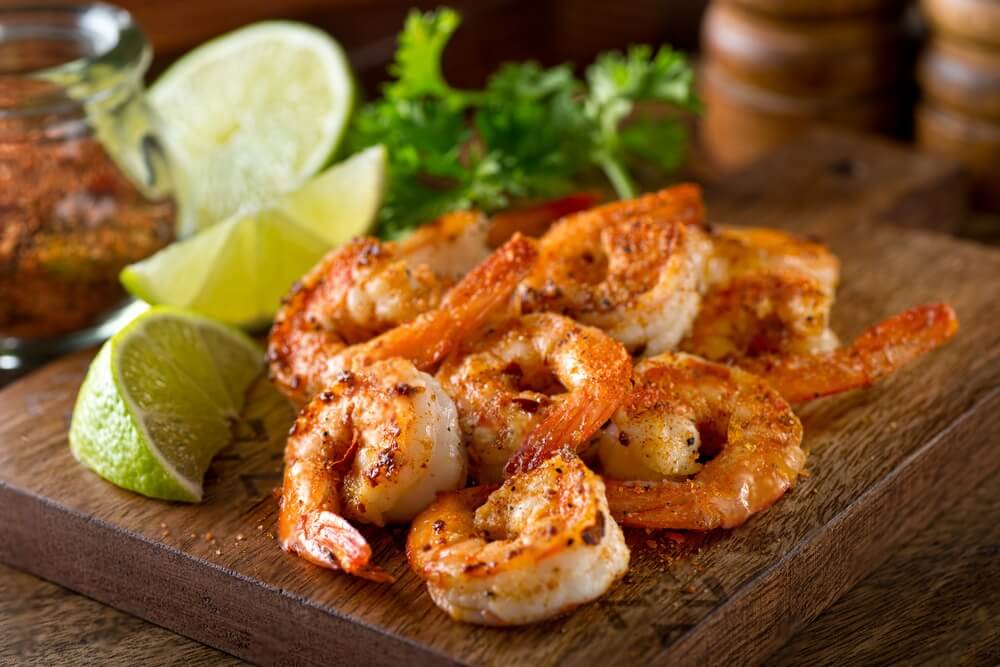
If you’ve never tried shrimp before, you’re probably wondering what to expect. Does it taste fishy? Is it sweet? Does shrimp taste like chicken?
The short answer is that shrimp has a mild, slightly sweet seafood flavor with a delicate briny note and a firm, juicy texture. Unlike stronger-tasting fish such as salmon or mackerel, shrimp isn’t overpowering. Its subtle flavor makes it one of the easiest types of seafood for beginners to enjoy.
One of the reasons shrimp is so popular is its versatility. It absorbs marinades, herbs, spices, butter, garlic, and sauces exceptionally well while still keeping its own naturally sweet flavor. Whether it’s grilled, fried, boiled, or sautéed, the taste of shrimp changes slightly depending on how it’s cooked, but its signature sweetness and tender bite remain.
If someone asks, “What do shrimp taste like?” the best description is this: imagine a combination of sweet crab meat, the delicate flavor of scallops, and the juicy texture of lobster, all packed into a smaller bite. It’s fresh, light, and satisfying without tasting overly “fishy.”
Quick-Answer Summary
| Question | Quick Answer |
|---|
| What does shrimp taste like? | Shrimp has a mild, slightly sweet, and lightly briny seafood flavor that’s delicate rather than overpowering. |
| How does shrimp taste? | Fresh shrimp tastes clean and subtly sweet with a hint of the ocean. It easily absorbs herbs, spices, butter, and sauces. |
| Does shrimp taste like chicken? | Not exactly. Both have mild flavors, but shrimp is sweeter, juicier, and has a subtle seafood taste that chicken doesn’t. |
| Is shrimp sweet? | Yes. Fresh shrimp has a natural sweetness that becomes even more noticeable when it’s grilled, sautéed, or steamed. |
| What does raw shrimp taste like? | Raw shrimp has a softer texture and a delicate, slightly sweet flavor with only a light briny taste. |
| What do prawns taste like? | Prawns taste very similar to shrimp but are often slightly meatier and a bit sweeter due to their larger size. |
| Does shrimp taste fishy? | Fresh shrimp shouldn’t taste fishy. It should have a clean, mild seafood flavor. A strong fishy taste usually indicates poor freshness. |
| What is shrimp texture like? | Properly cooked shrimp is firm, juicy, tender, and slightly springy. Overcooked shrimp becomes rubbery and chewy. |
What Does Shrimp Taste Like?
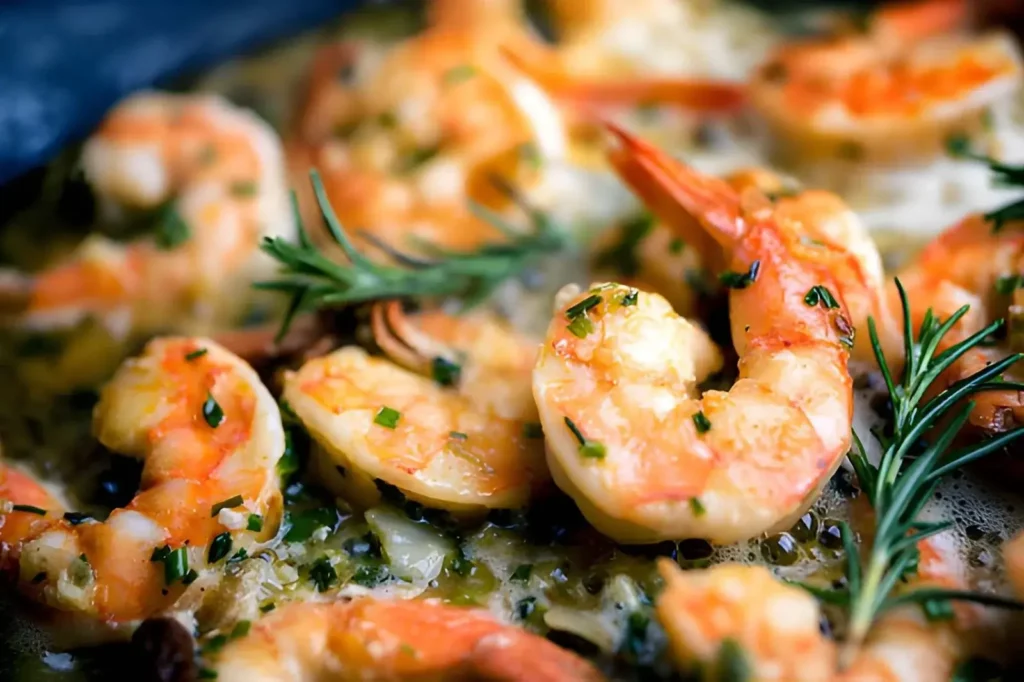
The flavor of shrimp is often described as mild, sweet, buttery, and slightly salty, with just enough ocean flavor to remind you it came from the sea.
Fresh shrimp shouldn’t have an overpowering seafood taste. Instead, it has a clean, delicate flavor that pairs well with almost any seasoning. That’s why shrimp works equally well in garlic butter pasta, spicy Cajun dishes, tacos, curries, stir-fries, and even cold shrimp cocktails.
Several factors influence shrimp flavor:
Freshness
Fresh shrimp has the cleanest taste. It smells like the ocean rather than strong fish and has a pleasant sweetness that’s easy to notice.
If shrimp smells overly fishy or has a strong ammonia-like odor, it has likely spoiled and shouldn’t be eaten.
Wild vs. Farmed Shrimp
Wild-caught shrimp often has a slightly richer, more complex flavor with a noticeable natural sweetness.
Farm-raised shrimp is usually milder and more consistent in taste. High-quality farmed shrimp can still be excellent, although some people find it a little less flavorful than wild shrimp.
Shrimp Size
Many people assume larger shrimp taste better, but size mainly affects texture.
- Small shrimp tend to be softer and more delicate.
- Medium shrimp offer a balanced bite.
- Jumbo shrimp are meatier with a firmer texture, making them ideal for grilling.
No matter the size, the overall flavor stays relatively similar.
Is Shrimp Sweet?
Yes. One of shrimp’s defining characteristics is its natural sweetness.
Unlike many fish that lean toward savory or oily flavors, shrimp contains naturally occurring sugars that become more noticeable during cooking. This subtle sweetness is what gives shrimp its unique flavor and separates it from stronger seafood like tuna or sardines.
Some varieties are sweeter than others.
- Pink shrimp are often considered the sweetest and most delicate.
- White shrimp have a clean, balanced sweetness that makes them one of the most popular choices.
- Rock shrimp have a richer, lobster-like sweetness with a firmer bite.
- Tiger shrimp are slightly meatier with a more pronounced seafood flavor while still retaining a hint of sweetness.
Cooking also affects sweetness. Gentle cooking methods like steaming or boiling preserve shrimp’s natural flavor, while grilling and pan-searing caramelize the outside slightly, making the sweetness even more noticeable.
Lodge 10.25 Inch Cast Iron Pre-Seasoned Skillet
What First-Time Eaters Usually Notice
Most people trying shrimp for the first time notice its texture before its flavor. Properly cooked shrimp has a gentle snap when you bite into it, followed by a juicy, tender texture. The flavor is much milder than many expect, which is why shrimp is often recommended as a beginner-friendly seafood.
What Is Shrimp Texture Like?
Flavor is only part of what makes shrimp enjoyable. Texture plays an equally important role.
Properly cooked shrimp is firm, juicy, tender, and slightly springy. When you bite into it, there’s a gentle snap before it becomes tender in your mouth. That satisfying bite is one reason shrimp is so popular in dishes around the world.
The texture changes dramatically depending on how it’s cooked.
| Cooking Result | Texture |
|---|---|
| Perfectly cooked | Firm, juicy, slightly springy |
| Undercooked | Soft, slippery, translucent |
| Overcooked | Rubbery, dry, chewy |
Shrimp cooks incredibly quickly—usually in just a few minutes. Overcooking causes the proteins to tighten, squeezing out moisture and creating the rubbery texture many people dislike.
If you’re trying shrimp for the first time, cooking it just until it turns pink and opaque is the best way to experience its ideal texture.
Does Shrimp Taste Like Chicken?
This is one of the most common questions people ask before trying shrimp.
The answer is not exactly—but there are a few similarities.
Both shrimp and chicken have relatively mild flavors compared to stronger meats. Neither is overwhelmingly rich, which makes both excellent at absorbing seasonings and sauces.
However, shrimp still has a distinct seafood character that chicken doesn’t.
| Feature | Shrimp | Chicken |
|---|---|---|
| Flavor | Mild, sweet, slightly briny | Mild, savory |
| Texture | Firm and springy | Tender and fibrous |
| Sweetness | Naturally sweet | Very little sweetness |
| Ocean flavor | Yes | No |
People often compare breaded fried shrimp to chicken tenders because the crispy coating becomes the dominant flavor. Once you remove the breading, though, the differences become obvious. Shrimp is noticeably sweeter, juicier, and carries a subtle taste of the sea.
If you don’t enjoy strong seafood flavors, shrimp is often a great starting point because its flavor is much gentler than many types of fish.
What Does Raw Shrimp Taste Like?
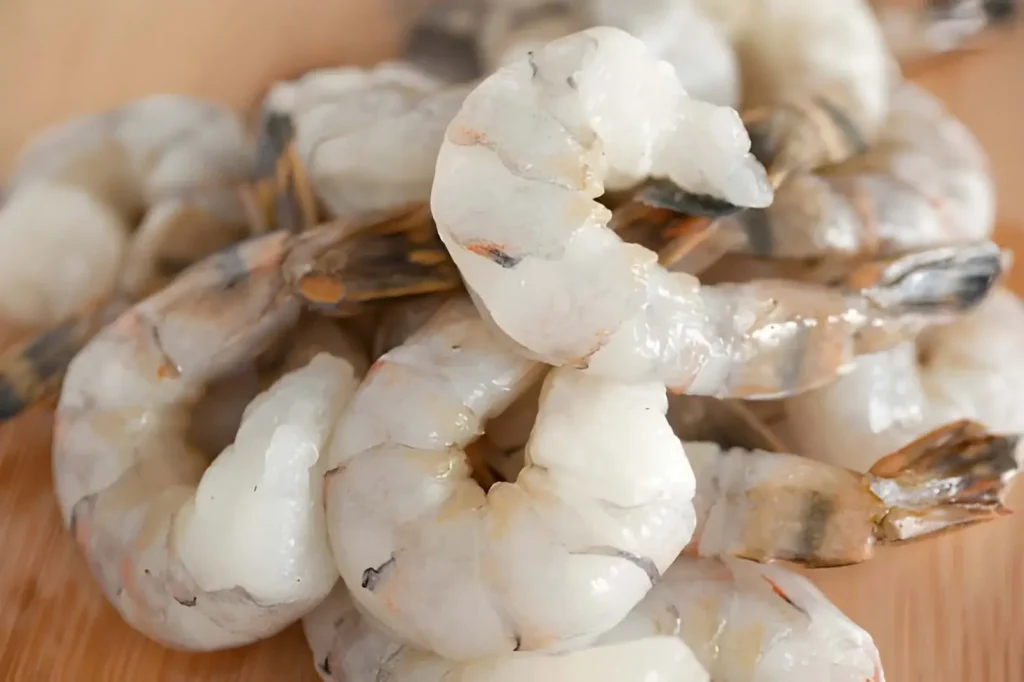
Raw shrimp tastes quite different from cooked shrimp.
Instead of the firm, springy texture that develops during cooking, raw shrimp is soft, smooth, and slightly slippery. Its flavor is also more delicate, with a clean sweetness and only a light hint of salinity.
In Japanese cuisine, sweet shrimp (often served as sushi or sashimi) is especially prized because its natural sweetness is more noticeable before cooking.
It’s important to remember that raw shrimp should only be eaten when it has been specifically prepared and handled for raw consumption. Regular grocery store shrimp isn’t necessarily safe to eat raw and should be cooked thoroughly unless it’s intended for sushi or sashimi.
How Cooking Changes the Taste of Shrimp
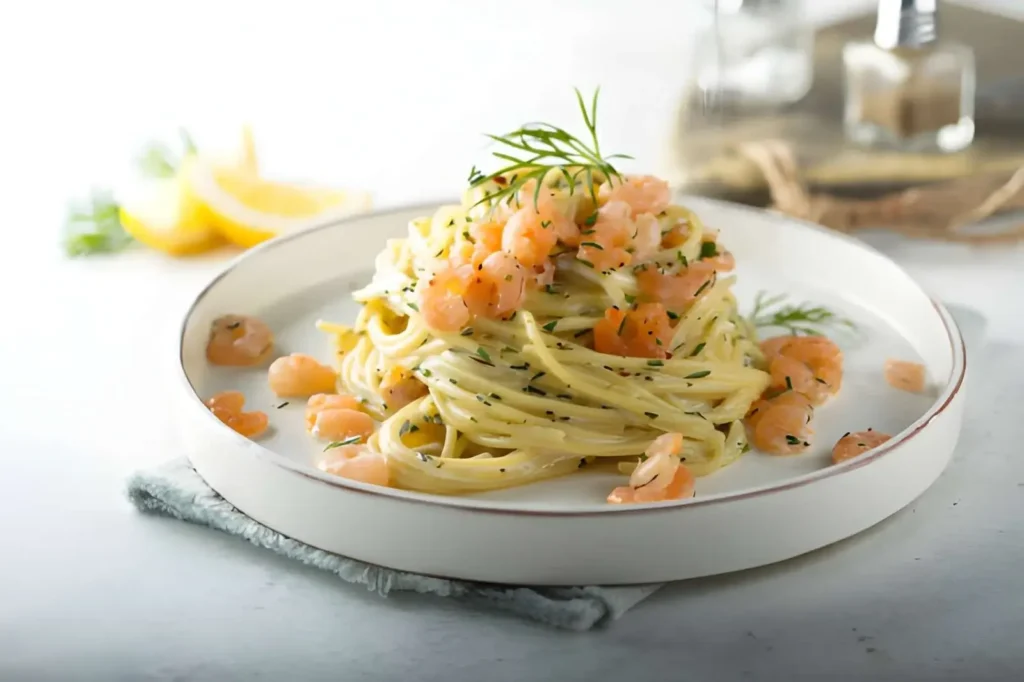
One of shrimp’s greatest strengths is how well it adapts to different cooking methods. While its natural sweetness stays consistent, each method adds new layers of flavor.
Grilled Shrimp
Grilling gives shrimp a light smoky flavor with slightly charred edges. The high heat caramelizes the outside, enhancing its natural sweetness while adding a subtle depth that’s perfect for skewers, tacos, and salads.
Boiled Shrimp
Boiling preserves shrimp’s clean, delicate flavor better than almost any other method. If the water is seasoned with ingredients like lemon, garlic, bay leaves, or seafood seasoning, the shrimp absorbs those flavors without losing its natural sweetness.
Pan-Seared Shrimp
Pan-searing creates lightly browned edges that add a rich, buttery taste. Cooking shrimp in olive oil or butter with garlic is one of the easiest ways to highlight its natural flavor while adding a little richness.
Fried Shrimp
Frying surrounds the shrimp with a crispy golden coating while keeping the inside juicy and tender. The crunchy exterior balances the shrimp’s sweetness, making fried shrimp one of the most popular preparations worldwide.
Air-Fried Shrimp
Air frying produces a lightly crisp exterior using much less oil than deep frying. The shrimp stays juicy inside while developing slightly roasted flavors that complement its mild sweetness.
Steamed Shrimp
Steaming is one of the gentlest cooking methods. It keeps shrimp exceptionally moist and allows its natural flavor to shine, making it a favorite for shrimp cocktails and chilled seafood platters.
What Do Prawns Taste Like?
Many people use the words shrimp and prawns interchangeably, but depending on where you live, they can refer to different species. Fortunately, their flavors are very similar.
So, what do prawns taste like?
Prawns have a mild, slightly sweet, and delicate seafood flavor that’s very similar to shrimp. They’re not overly fishy and have a clean taste that pairs well with herbs, butter, garlic, citrus, and spices.
The biggest difference is usually the texture. Prawns tend to be larger than shrimp, giving them a meatier bite and a slightly firmer texture. Some people also find prawns a little sweeter, especially larger freshwater varieties.
If you’ve enjoyed shrimp before, you’ll almost certainly enjoy prawns as well.
Shrimp vs. Prawns
| Feature | Shrimp | Prawns |
|---|---|---|
| Flavor | Mild, sweet, slightly briny | Mild, sweet, slightly richer |
| Texture | Firm and juicy | Meatier and firmer |
| Size | Usually smaller | Usually larger |
| Best For | Tacos, pasta, stir-fries | Grilling, skewers, seafood platters |
For everyday cooking, most people would struggle to tell the difference in a blind taste test, especially once they’re seasoned.
Do Prawns Taste Like Chicken?
Just like shrimp, prawns are sometimes compared to chicken because of their mild flavor.
However, they don’t actually taste like chicken.
Chicken has a neutral, savory flavor with a soft, fibrous texture, while prawns are naturally sweeter and have a distinctive seafood character. Their firmer, springy bite also sets them apart.
If you’ve never tried seafood before, prawns are one of the easiest options to start with because their flavor is much gentler than many fish.
Why Does Shrimp Sometimes Taste Fishy?
Fresh shrimp shouldn’t taste strongly fishy.
Instead, it should have a clean, lightly sweet flavor with only a subtle hint of the ocean.
If shrimp tastes unpleasantly fishy, there’s usually a reason.
It isn’t fresh
Fresh shrimp should smell like clean seawater. A strong fishy odor or an ammonia-like smell is a sign that it has spoiled.
It’s been stored too long

Even frozen shrimp can lose quality over time. If it develops freezer burn or has been stored improperly, the flavor may become dull or unpleasant.
It’s overcooked
Overcooking doesn’t just make shrimp rubbery—it can also intensify stronger seafood flavors while reducing its natural sweetness.
The species
Some varieties naturally have a slightly stronger ocean flavor than others. Cold-water shrimp, for example, are often sweeter, while certain tropical varieties can taste a bit more briny.
Different Types of Shrimp and Their Flavor
Although all shrimp share a similar taste profile, some varieties have their own unique characteristics.
White Shrimp
White shrimp are among the most common varieties found in supermarkets and restaurants. They have a clean, mild flavor with balanced sweetness, making them incredibly versatile.
Pink Shrimp
Pink shrimp are often considered one of the sweetest varieties. They have a delicate flavor that’s perfect for shrimp cocktails, salads, and light pasta dishes.
Tiger Shrimp
Tiger shrimp are larger and meatier than most shrimp. Their flavor is slightly richer with a firmer bite, making them excellent for grilling.
Rock Shrimp
Rock shrimp are famous for their lobster-like texture. Their meat is dense, sweet, and slightly richer than traditional shrimp, making them a favorite for seafood lovers looking for something different.
What Foods Taste Similar to Shrimp?
If you’re curious about shrimp but aren’t sure what to expect, comparing it to familiar seafood can help.
Lobster
Lobster shares shrimp’s natural sweetness but has a richer, butterier flavor and a denser, meatier texture.
Crab
Crab is sweeter and more delicate than shrimp. Its meat flakes apart more easily and has a softer texture.
Scallops
Scallops are naturally sweet like shrimp but are much softer and almost buttery in texture.
Langoustines
Often called Norway lobster, langoustines taste like a cross between shrimp and lobster, combining shrimp’s sweetness with lobster’s richness.
Crawfish
Crawfish have a similar texture to shrimp but a slightly earthier flavor that’s especially popular in Cajun cuisine.
If you enjoy the sweet, delicate flavor of shrimp, you’ll probably also like lobster and crab. If you prefer a softer texture, scallops are an excellent alternative.
Best Ways to Cook Shrimp for Maximum Flavor
Shrimp is one of the most versatile proteins you can cook. Its mild flavor means it pairs beautifully with almost any seasoning.
Some of the most popular ways to enjoy shrimp include:
- Garlic butter shrimp
- Cajun shrimp
- Lemon herb grilled shrimp
- Shrimp scampi
- Coconut shrimp
- Shrimp tacos
- Air fryer shrimp
- Shrimp stir-fry
- Shrimp fried rice
- Shrimp pasta
For the best results, avoid overcooking. Shrimp cooks quickly and is done as soon as it turns pink and opaque with a gentle “C” shape. If it curls into a tight “O,” it’s usually overcooked.’s at. But if you just want good old classic shrimp flavor? White shrimp got your back.
Frequently Asked Questions
What do shrimp taste like?
Shrimp tastes mild, slightly sweet, and lightly briny with a delicate seafood flavor. Properly cooked shrimp is juicy, tender, and firm without being chewy.
How does shrimp taste?
Shrimp has a clean, fresh flavor that isn’t overly fishy. Its natural sweetness becomes more noticeable when it’s grilled, sautéed, or steamed.
What do shrimps taste like?
Whether someone says “shrimp” or “shrimps,” the flavor is the same. Shrimp has a mild seafood taste with subtle sweetness and a tender, slightly springy texture.
How does shrimp taste like?
A better way to ask this is, “What does shrimp taste like?” Most people describe shrimp as a cross between crab and lobster, with a milder flavor and a firmer bite.
Does shrimp taste like chicken?
Not exactly. While both have mild flavors, shrimp is naturally sweeter and has a subtle ocean flavor that chicken doesn’t.
What does raw shrimp taste like?
Raw shrimp has a softer texture and a cleaner, sweeter flavor than cooked shrimp. It should only be eaten when it’s specifically prepared for raw consumption.
Is shrimp sweet?
Yes. Fresh shrimp has a naturally sweet flavor that becomes even more noticeable after cooking.
What do prawns taste like?
Prawns taste very similar to shrimp. They’re mild, slightly sweet, and have a meatier texture due to their larger size.
What does prawn taste like?
A single prawn tastes much like shrimp, with a delicate seafood flavor, light sweetness, and firm bite.
Do prawns taste like chicken?
No. Like shrimp, prawns are sweeter than chicken and have a mild seafood flavor that’s easy to enjoy.
What tastes similar to shrimp?
Lobster, crab, scallops, langoustines, and crawfish all share some similarities with shrimp, although each has its own unique flavor and texture.
Final Thoughts: What Does Shrimp Taste Like?
So, what does shrimp taste like?
The best way to describe shrimp is as mild, naturally sweet, slightly briny, and wonderfully versatile. It has just enough seafood flavor to remind you it came from the ocean without being overpowering, making it one of the most approachable types of seafood for first-time eaters.
Its firm yet tender texture, ability to absorb seasonings, and compatibility with everything from garlic butter to spicy Cajun blends have made shrimp a favorite in cuisines around the world.
Whether you’re enjoying grilled shrimp, crispy fried shrimp, a buttery shrimp scampi, or a chilled shrimp cocktail, you can expect a clean, delicate flavor that’s satisfying without being heavy. If you’ve been hesitant to try shrimp because you thought it would taste overly fishy, you may be pleasantly surprised. Its subtle sweetness and juicy texture are exactly why millions of people consider it one of the best seafood choices available.